




Is Grain Free Dog Food Better?
You have the world’s best dog, so you want the best dog food, of course. Grain-free dog food sounds like a winning innovation for dogs, and it’s all over the pet shop shelves. Dry dog food, wet food, puppy food: they can all be grain-free, along with your dog treats. After all, it’s impossible to imagine our dogs’ wild ancestors going crazy over a field of corn or wheat. Why feed our dogs unnecessary ingredients they don’t naturally hunger after? Should we not free them from the shackles of grains?! This all seems to make sense, but the question of grain-free eating isn’t so straightforward. First, keep in mind that grain-free dog food entered the pet marketplace along with new trends in human dietary thinking. As gluten-free and paleo diets took off in the UK, dog food followed suit. Marketers made a good bet that shoppers would transfer their own new eating philosophies onto their dogs, counting on the fact that these pet parents would believe that grain is bad for dogs. That’s not to say grain-free dog food is purely opportunistic, or that it has nothing to offer your pet. It can be an excellent remedy for certain dogs that need a change in their diets. Certainly, many grain-free dog foods use higher-quality ingredients in general, such as real chicken, beef, salmon, turkey and duck. These whole protein sources are better than by-products. (Note that meat meals can be a great, concentrated source of protein, such as chicken meal, but double-check the label for the source.) That said, it’s these ingredients rather than the absence of grain that make them great for dogs. So for many dogs, the grain-free option isn’t always superior to other high-quality dog chow. If you’re considering grain-free food for your dog, here are a few facts to help you weigh the options.
Is Grain Bad for Dogs?
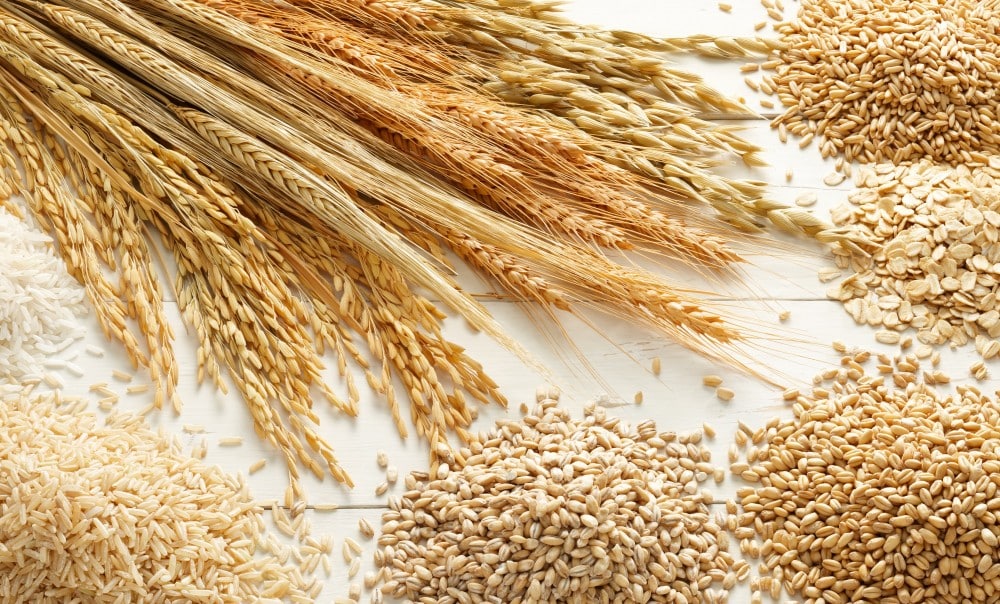
Over centuries of domestication, dogs have adapted to accommodate grain in their diets, so the corn and wheat in ordinary dog food isn’t destroying your dog’s digestive system. Lower-quality brands may rely too much on those starches as fillers, and that’s not ideal. They may also use genetically-modified corn or wheat—and we don’t fully understand the effects of GMO ingredients on dogs. If that is a concern, however, you can find GMO-free dog food that uses grains. There is some controversy about whether dogs are omnivores or carnivores. Their guts have certainly adapted to some grains, however, so it’s not necessarily grains themselves that are the enemy. Instead, consider the proportions. Good-quality foods for dogs should have protein as the first ingredient, and shouldn’t be packed with additives and unnecessary fillers—including low-quality meat by-products or too much potato, both of which can show up in otherwise grain-free foods. In other words, just because it’s grain-free doesn’t mean a food is healthy or will help your dog maintain a healthy weight to avoid obesity-related health issues.
Concerns About Grain-Free Dog Food
Earlier this year, the US Food and Drug Administration (FDA) is investigating a possible link between some dog food brands and cases of canine dilated cardiomyopathy (DCM). More research needs to be done, and the investigation has come under some criticism but for now, it’s best to check with your vet about any concerns.
Is Grain-Free Good for Dog Allergies?
If you suspect your dog may have allergies of some kind, grain-free dog food may seem like an appealing choice. In fact, some humans choose gluten-free eating to improve their allergic response. Concern about food sensitivity has risen for both people and pets. The thinking is that any small agitation in the body caused by wheat can ignite the immune system. At that point, resources are diverted away from managing the body’s immune response to other allergens. Perhaps the same could be said for dogs? Indeed, allergies can be a nuisance for dogs, but most of these stem from fleas or environmental conditions. Only 10 percent of dog allergies are food allergies, and most of these are related to beef, chicken, lamb, eggs, and dairy—less often wheat or corn. However, for dogs with a wheat or corn allergy, grain-free food should go a long way in providing relief. But for dogs with other allergies, grain-free food is unlikely to provide the desired result. There’s another option worth noting: single whole-grain formula dog food. These recipes rely on a single grain (rather than a conglomerate of wheat, corn, or other grains). For this formula, the grain is cooked longer at a lower temperature, making it easier for dogs to digest. This may be a good alternative to run-of-the-mill grain-based foods. It’s difficult to know what’s the best grain for your dog, so some trial-and-error might be in order. Often the single grain is brown rice, which is healthier than corn, wheat, or soy. In general, a limited-ingredient dog food can help you figure out which ingredients your dog is reacting to.
Grain-Free Means Carb-Free, Right?
If you’re leaning toward grain-free food as a way to lower your dog’s carb intake and manage her weight, you’re barking up the wrong tree. Most grain-free dog foods use legumes, potatoes, or sweet potatoes as a replacement for wheat or corn, so you’re not cutting carbs in the slightest. (In fact, you may be increasing carb intake!) However, some of the carbs used in grain-free pet foods are better options for your dog’s food, because they’re generally healthier than corn or wheat. These include sweet potato, for instance, pea protein, or chickpeas. Dry grain-free food requires something starchy as a binding agent to create the hard kibble our dogs have grown accustomed to. Grain or gluten-free wet dog food can be higher in protein and contain fewer carbohydrates, so that may be a better (but more expensive) option. These high-protein formulas can be hard on some dogs, so be sure to consult your vet before switching to one. Older dogs, puppies, and large breed dogs may have different nutritional needs.