Dealing with a Dog That Eats Too Quickly
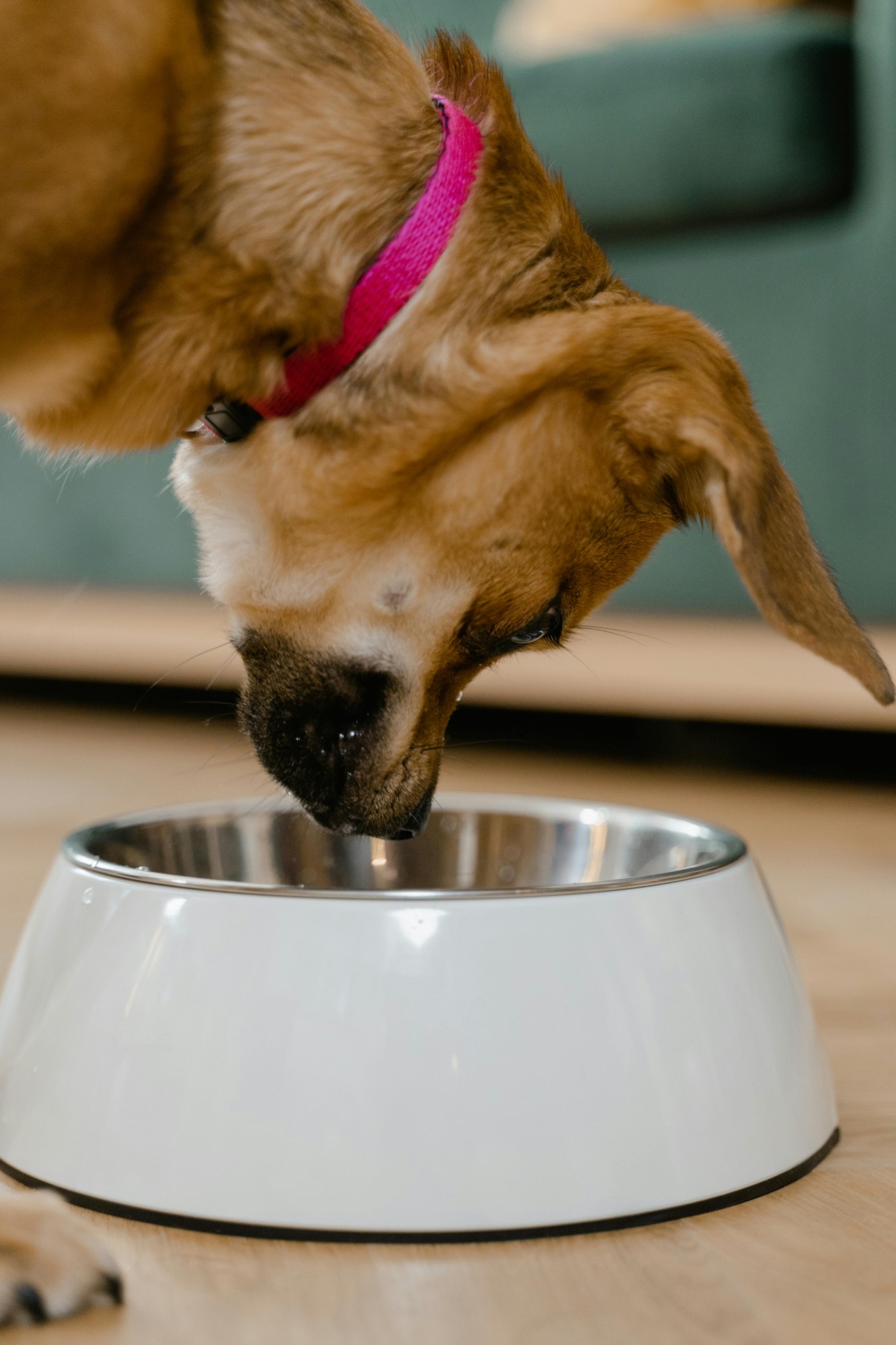
If your dog seems to inhale their food in seconds flat, you’re not alone. Many dogs eat too quickly — gulping down kibble like it’s a race — but this seemingly harmless habit can actually lead to a range of health and behavioural problems. From indigestion and choking to dangerous conditions like bloat, eating too fast is something every dog owner should take seriously.
The good news? There are plenty of ways to slow your pup down safely and help them enjoy mealtimes again.
Why Some Dogs Eat Too Quickly
1. Instincts from Their Ancestors
Dogs are natural scavengers. In the wild, food wasn’t guaranteed, so eating quickly helped them survive before another animal could steal their meal. Even though your dog now eats from a bowl in a warm home, that instinct can still kick in.
2. Competition and Environment
Dogs that have grown up around other animals often eat faster due to a sense of competition. Even if they’re now the only pet in the house, the behaviour can persist. If you’ve recently adopted your dog, they may have learned to eat fast in a shelter environment where mealtimes were shared.
3. Hunger or Over-Excitement
Sometimes, it’s simply enthusiasm. Some dogs love food so much that they can’t wait to get it down. Others might be on a calorie-restricted diet and feel hungrier than usual, prompting faster eating.
4. Medical Conditions
In rare cases, conditions such as parasites, diabetes, or Cushing’s disease can cause increased appetite or food obsession. If your dog’s speed-eating habit is new or extreme, it’s worth checking with your vet to rule out underlying issues.
Why Eating Too Quickly Can Be Dangerous
While it might look amusing, a dog eating at lightning speed can face real health risks.
- Choking: Swallowing large pieces of food without chewing increases the chance of choking.
- Vomiting and Indigestion: Rapid eating allows air to mix with food, leading to burping, gas, or regurgitation.
- Bloat (Gastric Dilatation-Volvulus): This is a serious, sometimes life-threatening condition where the stomach fills with air and twists. It’s more common in large, deep-chested breeds but can happen to any dog that eats too fast.
- Nutrient Absorption: Dogs that gulp their food don’t chew properly, which can affect digestion and nutrient uptake.
How to Help Your Dog Eat More Slowly
1. Use a Slow Feeder Bowl
One of the easiest fixes is switching to a slow feeder bowl. These bowls have raised ridges or patterns inside that separate the food into small pockets, forcing your dog to work around them and eat more slowly.
If you use stainless-steel bowls, look for ones with non-slip bases and smooth edges that are easy to clean. At Regal Dog, our philosophy is “strong, safe, built to last” – the same principle applies to feeding gear as to our Tactical Collars and other accessories. Always invest in quality materials that can withstand daily use.
2. Try Puzzle Feeders or Treat Dispensers
Dogs love mental stimulation, and puzzle feeders make them work for their food. These interactive designs slow eating while providing valuable enrichment. They mimic a dog’s natural foraging instinct, turning mealtime into a rewarding activity rather than a race.
For an easy DIY version, scatter part of their meal across a snuffle mat or hide kibble inside safe chew toys.
3. Smaller, More Frequent Meals
If your dog currently eats once or twice per day, try splitting their portion into three or four smaller meals. Spacing food throughout the day reduces hunger intensity and discourages bolting. It’s especially effective for breeds with strong appetites or those on calorie-controlled diets.
4. Hand Feeding
For dogs that need a complete reset, hand feeding can help re-establish calm mealtime behaviour. It teaches patience and encourages eye contact, building trust and reinforcing your role as provider. This method can be time-consuming, but it’s ideal for anxious or rescue dogs who’ve learned to eat defensively.
5. Add Texture or Obstacles
If you don’t have a slow feeder yet, you can create a temporary solution using what you have at home:
- Place a clean ball or large stone (too big to swallow) in the bowl. It forces your dog to eat around it.
- Use a muffin tray or ice-cube mould to portion the food out.
- Add water or broth to kibble – it spreads it out and makes gulping harder.
Just ensure any added item is food-safe and can’t be chewed or swallowed.
6. Feed Dogs Separately in Multi-Dog Homes
If you have more than one dog, feeding them apart can help reduce competition. When dogs don’t feel pressured to protect their meal, they naturally slow down. Separate rooms, crates, or even baby gates can make a big difference.
7. Monitor and Adjust Portion Sizes
Sometimes dogs eat fast because they’re genuinely hungry. Double-check your feeding amounts against your dog’s age, breed, and activity level. Too little food can cause overeating behaviour, while too much increases the risk of obesity.
If your dog is very active — perhaps running around in one of our Tactical Collars or out on daily hikes — their energy needs might be higher than average. Adjust accordingly, but always within healthy limits.
Training Techniques to Reinforce Calm Eating
A big part of the solution lies in training your dog to approach meals calmly.
- “Wait” Command: Before placing the bowl down, ask your dog to sit and wait. Only release them with a cue like “OK” once you set the bowl down.
- Reward Calm Behaviour: Praise and reward patience, not excitement. This helps your dog associate calmness with getting food faster.
- Avoid Over-Excitement: If your dog gets overly hyped at feeding time, try to keep mealtimes routine and low-energy. Excitement leads to rushed eating.
Consistency is key. Over a few weeks, your dog will learn that slow, polite behaviour is what gets them fed.
When to Speak to Your Vet
If your dog’s fast eating is accompanied by weight loss, vomiting, or behavioural changes, consult your vet. There may be medical issues contributing to their appetite or digestion speed.
It’s also smart to discuss meal frequency, calorie needs, and feeding style during regular check-ups — particularly if your dog’s breed is prone to bloat or gastrointestinal issues.
Final Thoughts
Dogs that eat too quickly aren’t being “naughty” — they’re following instinct, habit, or hunger. The key is to make eating slower, calmer, and more rewarding.
Simple tools like slow feeder bowls, puzzle toys, and smaller meals can dramatically improve your dog’s digestion and reduce risks like choking or bloat. Combined with a calm routine and steady training, most dogs learn to slow down within weeks.
At Regal Dog, we believe every accessory — from a strong collar to a feeding bowl — should make daily life easier, safer, and more enjoyable for dogs and owners alike. Helping your dog eat at a healthier pace is just another way to keep them strong, happy, and thriving.